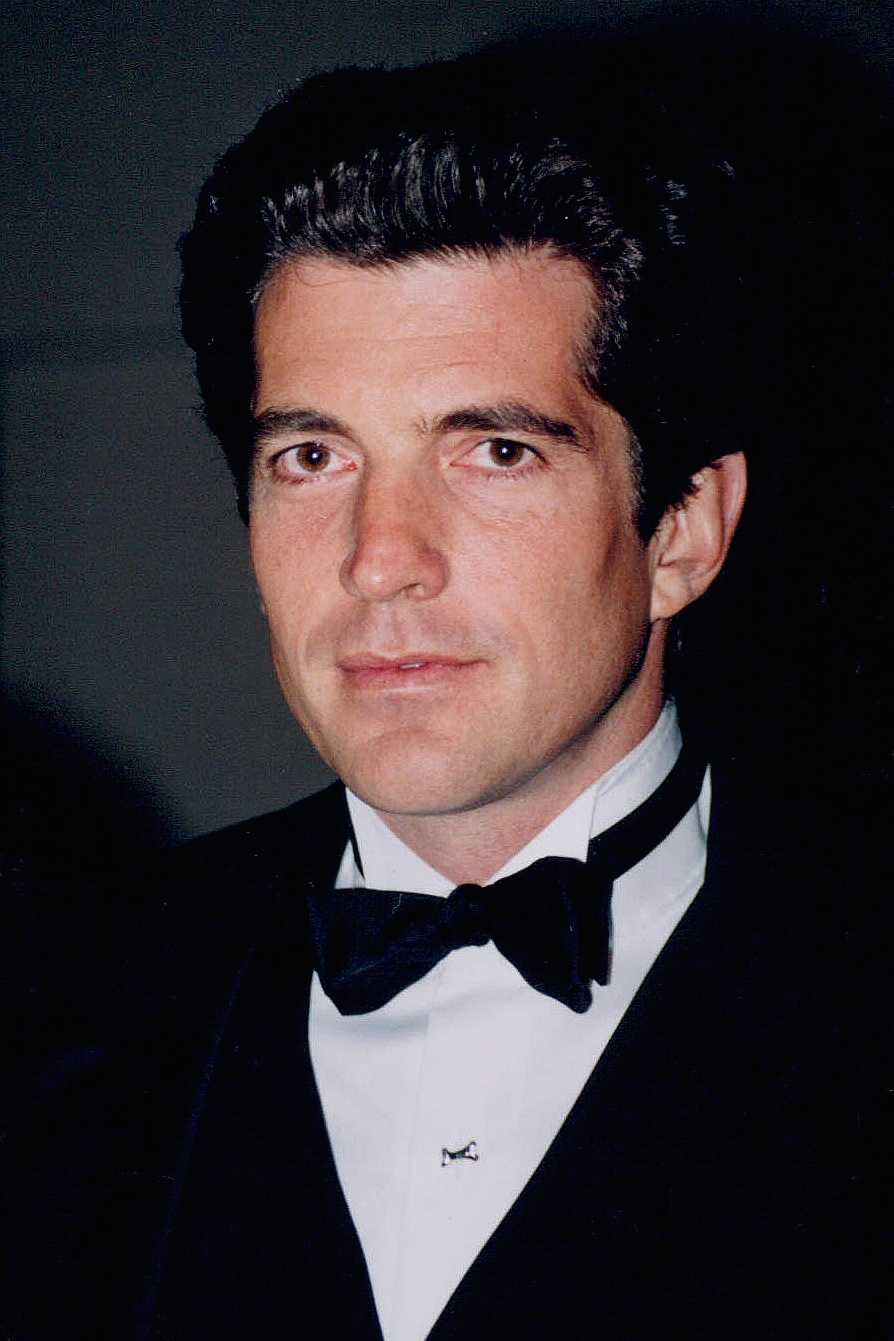
The Enduring Legacy of John F. Kennedy Jr.: Camelot, Career, and a Tragic Farewell
Few individuals have captured the American imagination quite like John F. Kennedy Jr. Born into the gilded cage of political royalty, just weeks after his father, John F. Kennedy, was elected President, his life was a constant dance between immense public scrutiny and a deeply personal quest for identity. From his early days as a toddler in the White House to his tragic end at age 38, Kennedy Jr. embodied a unique blend of charisma, resilience, and an unwavering desire to forge his own path beyond the long shadow of his family's storied legacy. His journey, marked by both profound privilege and heartbreaking loss, left an indelible mark on a nation that watched him grow, stumble, and ultimately, soar.
The Shadow of Camelot: An Early Life in the Public Eye
Born on November 25, 1960, in Washington, D.C., John F. Kennedy Jr. was instantly thrust into the global spotlight. As the only son of President-elect John F. Kennedy and First Lady Jacqueline Kennedy, his earliest years were spent within the iconic walls of the White House, a period often romanticized as "Camelot." Photographs and newsreels from this era captured the playful spirit of "John-John," as his father affectionately called him, often seen peeking from under the Oval Office desk – a symbol of youthful innocence amidst the weighty matters of state.
However, this idyllic childhood was shattered just three days before his third birthday. On November 22, 1963, President Kennedy was assassinated in Dallas, Texas. This national tragedy instantly transformed the young Kennedy Jr. into a symbol of collective grief and resilience. The indelible image of the solemn three-year-old boy raising his hand in a crisp salute to his father's casket during the state funeral on his third birthday remains one of the most poignant moments in American history. It was a gesture that transcended his tender age, etching itself into the national consciousness as a powerful testament to loss and an early glimpse into the extraordinary burden he would carry throughout his life.
Growing up under such intense public scrutiny presented unique challenges. Every milestone, every casual outing, every decision was fodder for the media. This constant attention, while part of his birthright, undoubtedly shaped his character, fostering a blend of grace under pressure and a profound desire for normalcy. Understanding the context of his childhood is crucial to appreciating his later efforts to define himself, as the expectation to live up to the Kennedy name was a relentless undertow.
Forging an Independent Path: Law, Journalism, and Publishing
As John F. Kennedy Jr. matured, he diligently pursued an education and career that, while reflecting a commitment to public service, also hinted at a conscious effort to establish independence from overt political expectations. After graduating from Brown University in 1983 with a degree in American Studies, he earned a Juris Doctor from New York University School of Law in 1989. His subsequent four-year tenure as an Assistant District Attorney in Manhattan was not merely a ceremonial role; it was a rigorous, hands-on position that saw him prosecute dozens of cases and achieve a reputation for competence and professionalism. This period showcased his commitment to hard work and his ability to succeed on his own merits, rather than relying solely on his family's influence.
His legal career provided a crucial foundation, but it was in the realm of media that Kennedy Jr. truly sought to carve out a distinctive identity. While many speculated he would eventually follow his father and uncles into electoral politics, he chose a different, more creative path. This decision was a powerful statement, demonstrating a determination to contribute to public discourse on his own terms. For a deeper look into this journey, explore JFK Jr.'s Quest for Identity: Beyond the Kennedy Legacy.
George Magazine: A Bold Vision for Politics and Pop Culture
In 1995, John F. Kennedy Jr. launched his most ambitious and defining professional endeavor: George magazine. As founder and editor, he envisioned a glossy monthly publication that would revolutionize how Americans engaged with politics. His innovative concept aimed to merge political discourse with entertainment and fashion, making complex political issues accessible, engaging, and even glamorous to a broader audience. In the media landscape of the 1990s, where politics and pop culture largely existed in separate spheres, George was a groundbreaking experiment.
Kennedy Jr.'s editorial vision for George was clear: demystify politics and encourage civic engagement by presenting political figures and events in a fresh, often provocative, light. The magazine featured candid interviews, striking photography, and an irreverent tone that distinguished it from traditional political journals. It was an audacious move, indicative of his forward-thinking approach to media and public communication. George became a tangible manifestation of his desire to contribute meaningfully to society while simultaneously asserting his individuality and creative flair. For more on his impact, discover How JFK Jr. Bridged Politics & Pop Culture with George Magazine.
Practical Insight: Kennedy Jr.'s creation of George offers a valuable lesson in brand building and niche marketing. He identified a gap in the market – a hunger for politics presented in an engaging, relatable way – and filled it by blending seemingly disparate elements. This strategy can be applied today by content creators and entrepreneurs looking to capture new audiences by innovating traditional formats and cross-pollinating ideas.
A Tragic End: The Legacy Interrupted
The life of John F. Kennedy Jr., filled with promise and a relentless pursuit of personal fulfillment, was tragically cut short on July 16, 1999. At age 38, he perished in the crash of his Piper PA-32R-301 Saratoga into the Atlantic Ocean near Martha's Vineyard. Alongside him were his wife, Carolyn Bessette Kennedy, and her sister, Lauren Bessette. The accident sent shockwaves across the globe, bringing a renewed wave of national mourning and reawakening the specter of the "Kennedy curse."
The subsequent investigation by the National Transportation Safety Board (NTSB) attributed the accident primarily to pilot error. The NTSB report concluded that Kennedy Jr. failed to maintain control of the aircraft during a night descent over water. Contributing factors included hazy conditions and, crucially, his lack of an instrument rating for flying in such limited visibility. He was certified for visual flight rules (VFR) only, meaning he should not have been flying in conditions where visual ground references were obscured. This tragic loss underscored the devastating consequences of pushing personal limits without adequate training and experience.
His death marked the end of an era, closing another chapter in the Kennedy family's history of both soaring triumphs and heartbreaking losses. The outpouring of grief from common citizens, celebrities, and politicians alike testified to the profound connection people felt with him. He was not just a name; he was a symbol of what could have been, a person who, despite immense pressures, strove to live authentically and make his own mark on the world.
Conclusion
John F. Kennedy Jr. was more than just the son of a president; he was a complex, charismatic figure who navigated an extraordinary life with grace, determination, and an unwavering commitment to finding his own way. From the iconic salute as a child to his bold foray into media with George magazine, he consistently defied expectations while embracing the legacy he inherited. His life, a compelling blend of privilege and relentless pursuit of independence, continues to resonate because it speaks to universal themes of identity, ambition, and the enduring challenge of living meaningfully under the brightest of spotlights. Though his journey ended far too soon, the enduring legacy of John F. Kennedy Jr. lies not just in his name, but in his inspiring quest to define himself, proving that even the most famous among us can strive for a unique and personal purpose.